The Science of Addiction: How Medical Evidence Is Used in Tobacco Litigation
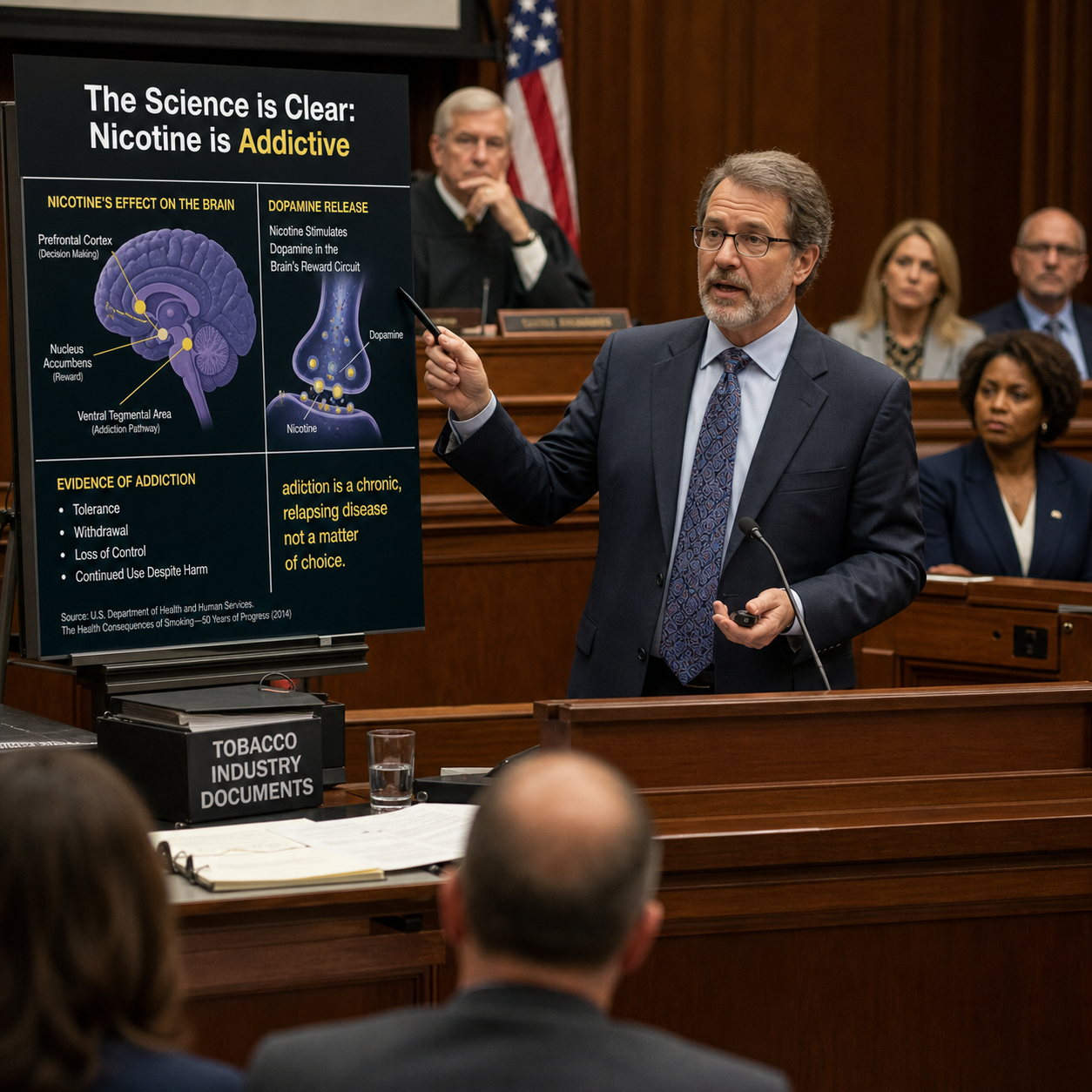
Nicotine addiction is a medical issue with important legal consequences in tobacco litigation. Research on the neurobiology of addiction, clinical diagnosis, withdrawal symptoms, and tobacco use can help explain why some people continue using cigarettes or other tobacco products despite health risks and repeated attempts to quit.
Medical evidence, however, does not decide every legal question. Courts must also consider product exposure, individual smoking history, causation, damages, warnings, reliance, and the law governing the specific claim. The central challenge is translating scientific findings about nicotine dependence into reliable, case-specific evidence without treating a medical diagnosis as automatic proof of liability.
What Is Nicotine Addiction?
Nicotine addiction is a substance use disorder involving compulsive or difficult-to-control use, cravings, tolerance, and withdrawal after reducing or stopping nicotine. Nicotine dependence can develop because repeated exposure changes brain reward pathways and reinforces tobacco use.
Nicotine activates receptors in the brain that influence dopamine and other signaling systems associated with reward, attention, and learning. With repeated exposure, the body and brain adapt. A person may need continued nicotine intake to avoid withdrawal or to feel normal, while cues such as a morning routine, stress, alcohol, or social settings can trigger cravings.
Common features of nicotine dependence may include:
- Strong cravings or urges to use nicotine.
- Difficulty reducing or stopping tobacco use.
- Tolerance, meaning a need for repeated exposure or changed use patterns to achieve familiar effects.
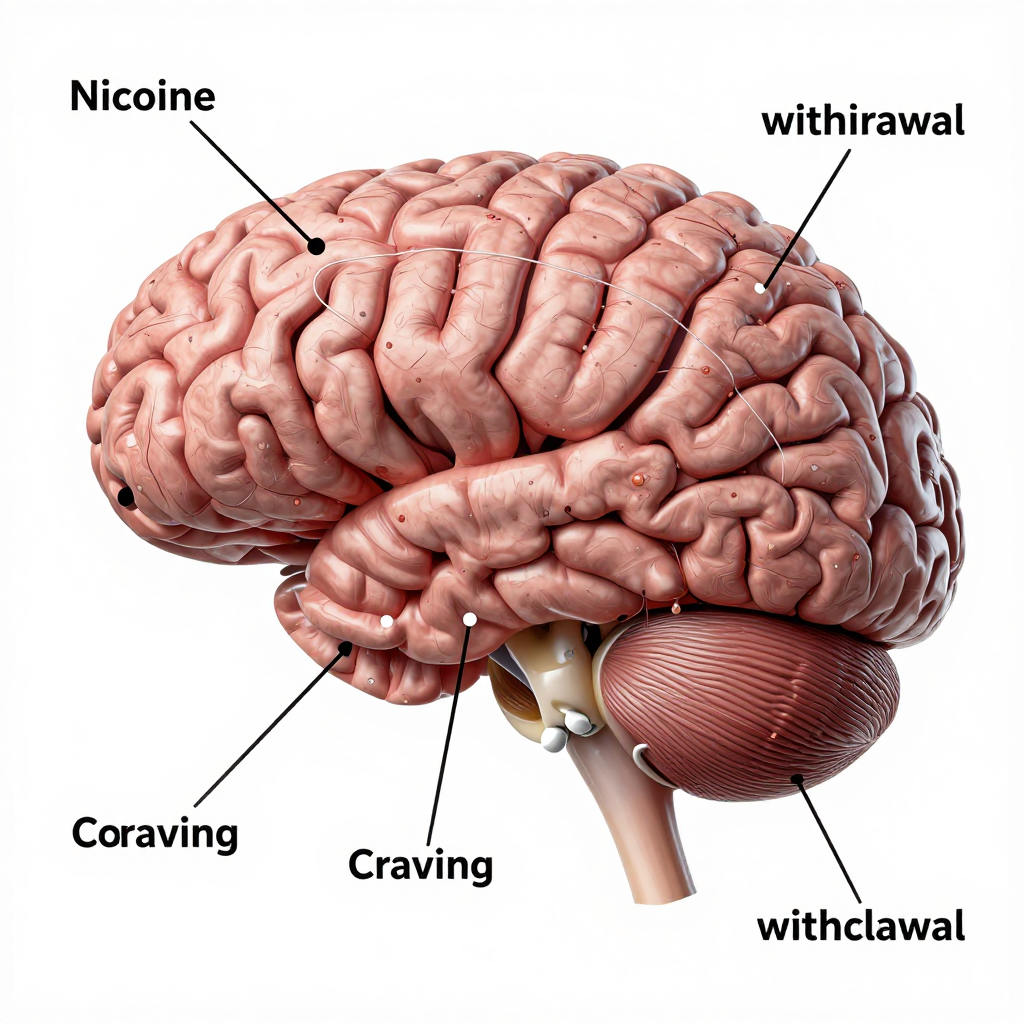
- Withdrawal symptoms, such as irritability, anxiety, restlessness, depressed mood, difficulty concentrating, increased appetite, and sleep disruption.
- Continued use despite known health risks or personal efforts to quit.
Medical terminology and diagnostic criteria may vary by setting. Clinicians generally evaluate the pattern and consequences of use rather than relying on a single symptom. In court, that distinction matters because occasional tobacco use, regular use, nicotine dependence, and a diagnosed substance use disorder are related concepts, but they are not interchangeable in every case.
The Medical Evidence Behind Nicotine Dependence
Medical evidence establishes nicotine dependence through converging sources: clinical research, diagnostic frameworks, treatment history, patient records, and evidence about the neurobiology of addiction. No single brain image, questionnaire, or medical opinion proves addiction in every individual.
Clinical researchers study tobacco use through longitudinal studies, treatment trials, population data, and assessments of dependence symptoms. Diagnostic frameworks, including those used for substance use disorders, provide structured criteria for evaluating impaired control, craving, tolerance, withdrawal, and continued use despite harm. These frameworks help medical experts explain why addiction is recognized as a health condition rather than simply a matter of preference or willpower.
Treatment evidence can also be relevant. Records may show counseling, nicotine replacement therapy, prescription medication, quit attempts, relapse, or referrals to smoking-cessation programs. Such evidence may support an opinion about dependence, although treatment history must be interpreted carefully. A person can be dependent without receiving formal treatment, and unsuccessful treatment does not by itself establish the cause of a later disease.
The Centers for Disease Control and Prevention describes nicotine as highly addictive and discusses tobacco-related health effects. Authoritative public-health sources can provide background for expert testimony, while the expert must still connect general medical knowledge to the facts of the individual case.
Neurobiology can clarify mechanisms, but it has limits. Brain circuitry research may explain reinforcement and persistent cravings at a population level. It usually cannot determine, by itself, precisely when a particular person became dependent or why that person continued using a specific product.
How Tobacco Products Can Sustain Addiction
Tobacco products can sustain addiction through repeated nicotine exposure, reinforcement, and routines that link use to daily activities. Cigarettes deliver nicotine rapidly, allowing repeated cycles of exposure, relief, and craving that may strengthen dependence over time.
Product use is shaped by more than nicotine concentration alone. Frequency of smoking, inhalation patterns, time to the first cigarette, brand or product changes, and use during stress can affect total exposure and dependence behavior. Some users smoke soon after waking or find it difficult to remain abstinent in places where smoking is restricted. These details may provide clinically relevant evidence about dependence severity.
Addiction can persist even when a person understands that tobacco use is dangerous. Knowledge of risk and the ability to stop are different questions. Withdrawal discomfort, conditioned cues, reinforcement, social patterns, and repeated relapse may all make cessation difficult.
That explanation should remain precise. Medical evidence does not show that every tobacco user lacks choice, nor does it eliminate the relevance of personal decisions. It helps explain how repeated nicotine exposure can narrow behavioral control and make quitting more difficult, particularly after years of use.
The Role of Medical and Scientific Experts in Court
Medical and scientific experts interpret research and clinical evidence for judges and juries. Physicians, addiction specialists, psychiatrists, psychologists, epidemiologists, neurologists, and other qualified professionals may address different parts of the evidence.
An addiction specialist may evaluate dependence symptoms, smoking history, withdrawal, failed quit attempts, and alternative explanations. A physician may discuss how tobacco exposure relates to a diagnosed disease. An epidemiologist may explain population-level associations between tobacco use and health outcomes. A toxicologist or pharmacologist may address nicotine delivery, product characteristics, and biological mechanisms.
Effective expert testimony usually follows a clear chain:
- Identify the accepted medical principles.
- Explain the research supporting those principles.
- Describe the relevant facts in the individual record.
- Apply the principles to those facts.
- State the conclusion, including its limits and uncertainty.
Courts may assess whether an expert used reliable methods, considered relevant information, addressed competing explanations, and applied the method consistently. A confident presentation cannot substitute for a sound foundation. Experts also must distinguish medical opinions from legal conclusions, such as whether a defendant is legally responsible or whether a particular warning satisfied a legal duty.
Connecting Addiction Evidence to Tobacco Litigation Claims
Addiction evidence may support several issues in tobacco litigation, but it is not proof of every legal element. Its relevance depends on the claim, the jurisdiction, the evidence rules, and the facts established in the case.
Evidence about nicotine dependence may help a fact finder evaluate whether continued tobacco use was predictable, whether a product encouraged repeated use, or whether a user’s conduct should be understood in light of addiction. Historical documents, scientific publications, corporate communications, and expert analysis may also be considered when claims involve knowledge of addiction, product design, or failure to warn.
Addiction evidence can intersect with causation in two ways. First, it may help explain continued exposure over time, including why a person smoked for years or resumed smoking after an attempted quit. Second, it may help establish the pattern and duration of exposure relevant to a disease claim. It does not, standing alone, identify which product caused an injury or prove that a particular defendant’s conduct legally caused the harm.
The same distinction applies to damages. Dependence may be relevant to physical discomfort, cessation difficulty, medical treatment, lost quality of life, or the circumstances surrounding continued use. The amount and availability of damages still depend on evidence of injury, economic loss, emotional effects, and applicable law.
Evaluating the Strength and Limits of Addiction Evidence
Strong addiction evidence combines reliable medical principles with detailed, contemporaneous case facts. Courts and juries may examine records, testimony, research literature, diagnostic indicators, and the expert’s methodology rather than accepting a conclusion in isolation.
Evidence that may matter
- Medical records documenting tobacco use, dependence symptoms, treatment, or cessation attempts.
- A consistent smoking history covering age at initiation, frequency, duration, product use, and periods of abstinence.
- Reports of cravings, withdrawal, tolerance, and continued use despite health concerns.
- Family, workplace, pharmacy, or treatment records that corroborate the individual’s account.
- Peer-reviewed research addressing nicotine dependence, tobacco exposure, disease risk, and cessation.
- Expert analysis that considers alternative explanations and explains uncertainty.
Weaknesses may arise when the history is based only on distant memory, changes substantially across records, or omits periods of other nicotine or tobacco use. Experts may also disagree about the meaning of a particular symptom, the timing of dependence, or the contribution of other risk factors.
A useful courtroom framework is to test addiction evidence across three questions: clinical fit, meaning whether the symptoms match recognized dependence; historical fit, meaning whether records support the reported timeline; and causal fit, meaning whether the evidence addresses the specific legal issue rather than merely describing addiction in general.
Why Individual Case Facts Matter
Individual case facts determine how addiction evidence is interpreted. The relevant analysis may include the person’s age when tobacco use began, products used, smoking frequency, exposure duration, quit attempts, disease history, other risk factors, and the damages claimed.
General research can establish that nicotine is addictive and that tobacco exposure is associated with serious disease. Case-specific evidence must show how those principles relate to the individual. A court may ask whether the person was dependent, when dependence developed, what products supplied nicotine, whether exposure continued, and whether another explanation better accounts for the injury.
Common errors include treating a long smoking history as automatic proof of dependence, assuming dependence proves product-specific causation, or presenting neuroscience without clinical facts. The correction is disciplined analysis: separate diagnosis, exposure, medical causation, legal causation, and damages, then support each issue with evidence appropriate to that question.
Because laws and evidentiary standards differ, this overview cannot predict the result of a particular tobacco lawsuit. Medical evidence is most persuasive when it is transparent about both what it shows and what it cannot establish.
Frequently Asked Questions
What medical evidence can show nicotine addiction?
Evidence may include cravings, tolerance, withdrawal, unsuccessful quit attempts, continued use despite harm, treatment records, smoking patterns, and a qualified clinician’s assessment using recognized diagnostic principles.
How do experts explain addiction to a court?
Experts usually explain nicotine’s effects on reward and reinforcement, then connect those principles to the person’s history, symptoms, records, and treatment experience. They should identify assumptions and acknowledge uncertainty.
Is nicotine dependence the same as voluntary tobacco use?
No. A person may choose to begin using tobacco, while dependence can later make stopping difficult. The medical concept of addiction does not automatically resolve legal questions about responsibility or consent.
How can addiction evidence relate to causation and damages?
It may explain continued exposure, cessation difficulty, treatment needs, and aspects of an injury claim. Additional evidence is still required to establish product exposure, medical causation, legal causation, and the amount of damages.
What factors may affect the credibility of addiction evidence?
Consistency across records, detail about product use, contemporaneous medical documentation, corroborating witnesses, the expert’s qualifications, reliable methodology, and consideration of alternative explanations may all affect credibility.